The Hoodie Line Gradient Icon: Your Ultimate Guide to Versatile Digital Design
In the fast-paced world of digital design, the difference between a good project and a great one often lies in the details. Visual communication is no longer a luxury; it is the standard. Whether you are building a mobile application, designing a corporate website, or preparing a high-stakes presentation, the assets you choose define your brand's personality. Among the myriad of design resources available today, the Hoodie Line Gradient Icon has emerged as a standout resource for creators who demand both style and functionality. This guide explores the anatomy, utility, and application of this versatile icon set, helping you understand why it might be the missing piece in your creative toolkit.
Understanding the Aesthetic: What is the Hoodie Line Gradient Icon?
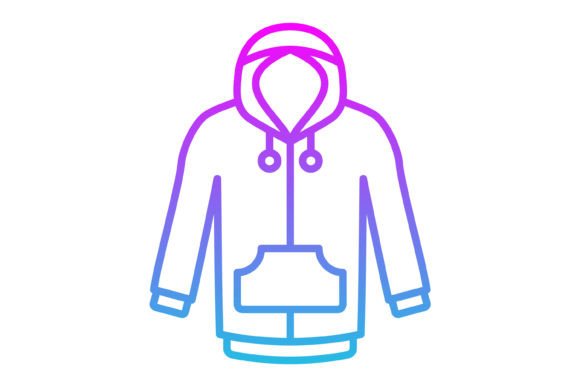
At its core, the Hoodie Line Gradient Icon represents a modern evolution of traditional vector graphics. Gone are the days of flat, static, single-color icons that feel clinical and cold. Today’s design trends favor depth, fluidity, and personality, which is exactly what gradient icons provide. A "line gradient" style combines the clean minimalism of line art with the dynamic visual interest of color transitions. This creates an icon that feels alive and engaging without being cluttered or distracting.
Imagine the sleekness of a monochrome outline, but enhanced with a subtle shift in color—perhaps from a cool blue to a vibrant purple, or a warm orange fading into a soft yellow. This is the essence of the Hoodie Line Gradient Icon. It captures the casual, approachable, and modern vibe associated with contemporary branding. It is designed to feel familiar yet fresh, making it an excellent choice for a wide range of industries, from tech startups and e-commerce fashion brands to educational platforms and lifestyle blogs.
The Technical Backbone: File Formats and Versatility
One of the most critical aspects of any digital asset is its technical adaptability. A beautiful icon is useless if it cannot be integrated into your specific workflow. Recognizing this, the Hoodie Line Gradient Icon collection is engineered for maximum compatibility. When you acquire this set, you are not just getting a single image; you are receiving a comprehensive package designed to work across every platform imaginable.
The package includes a Zip File containing 5 different formats, ensuring that no matter what software you use or what medium you are designing for, you have the right tool for the job. These formats include:
- AI (Adobe Illustrator): The industry standard for vector editing. This allows designers to open the icon in Illustrator and modify every curve, anchor point, and gradient color to match their exact brand guidelines.
- EPS (Encapsulated PostScript): A versatile format that works with almost all vector software, including CorelDraw and older design applications. It ensures legacy compatibility.
- SVG (Scalable Vector Graphics): The gold standard for web development. SVGs are code-based, meaning they load fast and scale perfectly on any screen size without losing quality. This is crucial for responsive web design.
- JPG (Joint Photographic Experts Group): Ideal for presentations, documents, and web use where file size needs to be optimized and transparency is not required.
- PNG (Portable Network Graphics) with Transparent Background: Perhaps the most popular format for general use. The transparency allows the icon to be placed over any background color or image without a white box surrounding it, ensuring a seamless integration into your design.
This multi-format approach ensures that the Hoodie Line Gradient Icon is ready to use immediately, regardless of whether you are a professional graphic designer using advanced software or a business owner using basic web builders.
Practical Applications: Where Can You Use These Icons?
The true value of an icon set is measured by its utility. The Hoodie Line Gradient Icon is specifically designed to be a "Swiss Army Knife" for visual communication. Its features—ready to use for all devices and platforms and designed for maximum usability—make it suitable for a vast array of scenarios.
Mobile App Development
In the mobile ecosystem, screen real estate is limited. Users need to navigate interfaces quickly and intuitively. The clean lines of the Hoodie Line Gradient Icon ensure legibility at small sizes, while the gradient adds a touch of modern polish that elevates the user experience (UX). Whether you are designing a navigation bar, a settings menu, or onboarding screens, these icons provide the visual cues users need without overwhelming the interface.
Web Design and UI/UX
Websites rely on visual hierarchy to guide visitors through content. Using the Hoodie Line Gradient Icon for feature lists, call-to-action buttons, or footer navigation can significantly improve a site's aesthetic appeal. Because the icons are available in SVG format, they remain crisp on high-resolution displays (like Retina screens) and load quickly, contributing to better SEO performance and site speed.
Presentations and Corporate Communication
Business presentations often suffer from visual monotony. Incorporating the Hoodie Line Gradient Icon can break up text-heavy slides and highlight key data points. For instance, using a gradient icon to represent "growth," "security," or "communication" adds a professional touch that static charts cannot replicate. The JPG and PNG formats are perfect for direct insertion into PowerPoint or Keynote.
Print Media and Merchandise
While digital is king, print is far from dead. The vector formats (AI and EPS) included in the Hoodie Line Gradient Icon package mean these icons can be scaled to billboard size or shrunk down for business cards without any pixelation. They are suitable for flyers, brochures, stickers, and even apparel printing, maintaining their vibrant gradient quality on physical media.
Features and Characteristics: A Closer Look
The developers behind the Hoodie Line Gradient Icon set have focused on specific features that cater to the needs of modern creators. Understanding these characteristics helps in evaluating the product's value.
- Easy to Edit and Scale: The vector nature of the source files means you are not locked into the original design. You can adjust the stroke width, change the gradient direction, or alter the color palette to fit your project's specific needs.
- 100 Vector Icons: Variety is key. A set of 100 icons provides a comprehensive library that covers a wide range of concepts, reducing the need to mix and match icons from different sources (which can lead to a disjointed visual style).
- Consistency: Using a unified set like the Hoodie Line Gradient Icon ensures that your visual language is consistent. Every icon shares the same line weight, corner radius, and gradient style, creating a cohesive look across your entire project.
Evaluating Suitability: Is This the Right Choice for Your Project?
While the Hoodie Line Gradient Icon offers many benefits, it is important to evaluate its suitability for your specific context. Design is subjective, and what works for a trendy fashion app might not work for a solemn legal document.
Consider the Tone: The "hoodie" aesthetic implies a casual, modern, and approachable tone. If your project requires a strictly formal, vintage, or highly corporate look, you might find the gradient style too playful. However, for most modern digital applications, this style is highly desirable.
Consider the Technical Environment: If you are working in a purely digital environment, the SVG and PNG files are perfect. If you are doing heavy print work, ensure your printer can handle vector gradients, though modern printing technology generally handles this with ease.
Consider the Audience: Modern internet users are visually literate. They appreciate high-quality assets. Using the Hoodie Line Gradient Icon signals to your audience that you care about design quality and user experience. It moves your brand away from generic, overused stock imagery and towards a more curated, professional aesthetic.
Real-World Scenarios and Examples
To visualize the impact of these icons, consider a few hypothetical scenarios:
- The Fitness App: A developer is building a health tracking app. They use the Hoodie Line Gradient Icon for the "Activity," "Heart Rate," and "Settings" tabs. The gradients use energetic colors like lime green and cyan, creating an interface that feels energetic and motivating.
- The Tech Startup Website: A new SaaS company needs to explain its features on its landing page. They use the icons to represent "Cloud Storage," "Security," and "Analytics." The line gradient style makes the complex technology feel accessible and user-friendly.
- The Online Course Platform: An educator creating a course on digital marketing uses these icons in their slide decks to illustrate concepts like "SEO," "Social Media," and "Email Marketing." The professional look of the icons increases the perceived value of the course content.
Conclusion: Elevating Your Visual Strategy
In a crowded digital landscape, the assets you use speak volumes about your brand. The Hoodie Line Gradient Icon is more than just a collection of images; it is a versatile design system that bridges the gap between aesthetics and functionality. With its comprehensive file formats, scalability, and modern aesthetic, it empowers creators, business owners, and developers to build better interfaces and communications.
By choosing a high-quality, cohesive set like the Hoodie Line Gradient Icon, you are investing in the clarity of your message and the quality of your user experience. Whether you are launching a new app, refreshing a website, or preparing a corporate presentation, this icon set provides the tools you need to succeed.
Hope you like our icon.