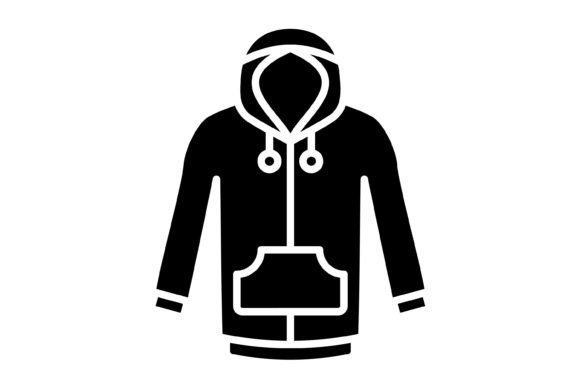
Hoodie Glyph Icon: A Strategic Asset for Modern Digital Design
In the crowded landscape of digital communication, the tools you choose define the clarity of your message. The Hoodie Glyph Icon is more than a simple graphic; it is a versatile vector asset designed to bridge the gap between complex ideas and instant user understanding. For entrepreneurs, marketers, and creators, selecting the right visual language is not merely an aesthetic choice—it is a strategic decision that impacts usability, brand recognition, and conversion rates. This comprehensive icon set, featuring 100 distinct glyphs, offers a practical solution for those seeking to enhance their digital footprint without compromising on quality or flexibility.
Understanding the Strategic Value of Vector Formats
When investing in design assets, the file format is just as critical as the visual design itself. The Hoodie Glyph Icon collection is delivered in a zip file containing five distinct formats: AI, EPS, JPG, PNG (with transparent background), and SVG. This variety is not accidental; it is a deliberate approach to ensure maximum usability across different environments.
For professionals handling complex branding operations, the AI and EPS formats are essential. These vector files allow for infinite scalability. Whether you are designing a mobile app interface or scaling up for a large-format print presentation, these files ensure that the Hoodie Glyph Icon remains crisp and pixel-perfect. Conversely, the JPG format is optimized for contexts where file size is a concern and transparency is not required, such as email headers or quick mockups. The PNG format, specifically with a transparent background, is the workhorse for web design, allowing the icon to layer seamlessly over various textures and colors without unsightly white boxes. Finally, the SVG format is the modern standard for web development, offering lightweight code and superior rendering on high-resolution screens.
Aligning Visual Assets with Business Goals
Every asset in your toolkit should serve a specific purpose. The Hoodie Glyph Icon set is designed to support a wide range of operational needs, from mobile applications to corporate presentations. However, to achieve the best results, one must approach these assets with intentionality rather than randomness.
Consider the goal of user experience (UX). In mobile app design, screen real estate is limited. A glyph icon allows you to communicate complex actions—such as "settings," "profile," or "navigation"—using minimal space. By utilizing the SVG versions of the Hoodie Glyph Icon, developers can ensure fast load times, which is a critical factor in retaining users and improving search engine rankings. For marketers, consistency is key. Using the same glyph style across your website, social media templates, and print materials builds a cohesive brand identity that fosters trust.
Practical Applications for Diverse Professionals
- Educators and Freelancers: Use these icons to break up text-heavy presentations. A well-placed Hoodie Glyph Icon can highlight key takeaways or categorize information, making content more digestible for students or clients.
- Small Business Owners: Integrate icons into your website’s navigation menu to improve accessibility. Visual cues help users find what they need faster, reducing bounce rates and increasing customer satisfaction.
- Publishers and Bloggers: Enhance article layouts by using icons to denote different sections, such as "tips," "warnings," or "summaries." This improves the skimmability of your content, catering to the reading habits of adults aged 20–50.
Planning for Scalability and Long-Term Results
A common mistake in digital planning is focusing solely on immediate needs. However, a strategic thinker looks for assets that grow with their business. The Hoodie Glyph Icon set is "ready to use for all devices and platforms," which future-proofs your design investment.
When planning a new website or application, map out your user journey and identify points where visual communication can replace text. This is not just about decoration; it is about cognitive load management. Users process images faster than text. By replacing generic labels with intuitive Hoodie Glyph Icons, you streamline the user interface. However, it is vital to ensure that the meaning of the icon is clear. If an icon is ambiguous, it creates confusion rather than clarity. Always test your icon choices with a small sample of your target audience to verify that the intended message is being received.
Editing and Customization for Brand Alignment
The feature of being "easy to edit and scale" is a significant advantage for brand positioning. While the default design of the Hoodie Glyph Icon is professional, it may not align perfectly with your specific color palette. Because these are vector files, you can easily change the stroke weight, color, and size using standard design software like Adobe Illustrator or Affinity Designer.
Before finalizing your designs, consider the emotional resonance of color. A blue hoodie icon may evoke trust and calm, suitable for a corporate environment, while a red icon might signify energy or urgency, better suited for a sale or promotion. This level of customization ensures that the asset serves your strategic narrative rather than dictating it.
Avoiding the Pitfalls of Generic Design
One of the risks of using stock icons is the potential for your brand to look generic. To mitigate this, do not rely on the Hoodie Glyph Icon as a standalone visual. Instead, integrate it into a broader design system. Pair the icons with distinctive typography and a unique color scheme.
Furthermore, avoid the trap of over-decorating. Not every paragraph or feature needs an icon. The strategic use of the Hoodie Glyph Icon should highlight the most important information. If everything is emphasized, nothing is. Use these glyphs to guide the user's eye to your calls to action or critical data points.
Conclusion: Making Better Decisions with Better Tools
The Hoodie Glyph Icon set represents a practical, high-quality resource for anyone involved in digital creation, from the solo freelancer to the growing startup. By understanding the specific file formats included—AI, EPS, JPG, PNG, and SVG—you can deploy these assets effectively across print and digital mediums. However, the true value lies in how you use them. By aligning your icon usage with clear goals, planning for scalability, and maintaining brand consistency, you transform a simple graphic into a powerful tool for communication and engagement. We hope you find this resource valuable in your pursuit of better results and clearer communication.