Choosing the Perfect Knit Hat Line Gradient Icon: Avoid These Common Pitfalls
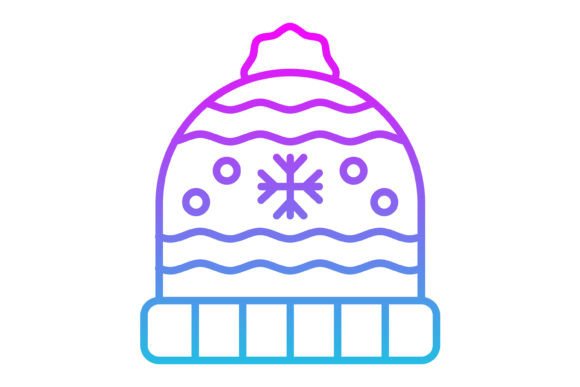
In the world of digital design, the smallest details often carry the most weight. A single icon can define the user experience of a mobile app, set the tone for a website, or complete the aesthetic of a professional presentation. When searching for a Knit Hat Line Gradient Icon, you aren't just looking for a simple picture of winter headwear. You are searching for a versatile asset that communicates warmth, style, and functionality across various platforms. However, many designers and creators stumble when selecting these assets, leading to frustrating limitations down the road. Understanding the nuances of file formats and design scalability is the first step toward a seamless creative process.
The Danger of Ignoring File Formats
One of the most frequent mistakes made by beginners and even some seasoned professionals is treating all image files as equal. You might find a Knit Hat Line Gradient Icon that looks beautiful on a stock site, only to discover it is a low-resolution JPG. This is a critical error. When you download a resource pack, you must look for a comprehensive variety of formats to ensure longevity and usability. A robust icon pack should always include AI, EPS, JPG, PNG, and SVG formats. Ignoring this variety is like buying a car without checking if it has an engine; it might look good, but it won't take you where you need to go.
Imagine you are working on a print brochure for a winter festival. If you only have a JPG or a PNG, scaling that image up to fit a large banner will result in pixelation and blurriness. The lines will look jagged, and the gradient will suffer from banding. Conversely, if you are developing a mobile app, you need lightweight, scalable graphics. This is where vector formats like SVG and EPS become non-negotiable. A proper Knit Hat Line Gradient Icon collection, such as the one described here, includes five distinct formats to bridge the gap between web, print, and digital presentations. Always verify the zip file contents before you commit to a design direction.
Why "Transparent Background" Isn't Optional
Another oversight that can ruin a professional layout is the background issue. Novice designers often download a Knit Hat Line Gradient Icon only to find it sits on a solid white square. When placed on a dark or textured background, that white box clashes violently with the surroundings. This forces you to spend extra time in software trying to "cut out" the icon, often resulting in messy edges or halos.
Always ensure your chosen icon features a transparent background. This is essential for layering the icon over photos, videos, or complex color palettes. A transparent PNG or SVG allows the design to breathe and integrate naturally into your template. It provides the flexibility needed for modern web design and app interfaces where fluidity and depth are key. If an icon file doesn't explicitly state it has a transparent background, you should assume it doesn't, as this small detail can drastically impact the quality of your final presentation.
Scalability and The "Line" Aesthetic
There is a common misunderstanding regarding "line icons." Many people assume that because the lines are thin, the icon is simple. However, the Knit Hat Line Gradient Icon style relies on precision. If you take a rasterized line icon and scale it up, the lines often disappear or become too thick to be legible. If you scale it down too much, the details merge into a black blob.
This is why the inclusion of 100% vector icons is vital. Vector graphics use mathematical equations rather than pixels to draw the image. This means you can scale a Knit Hat Line Gradient Icon to the size of a billboard or the size of a favicon without losing a single ounce of quality. The "line gradient" aspect adds a modern, dynamic touch, transitioning from one color to another to give the flat icon a sense of dimension and energy. To maintain this effect, you must use the vector formats (AI, EPS, SVG) which allow you to edit the gradient stops and colors to match your specific brand guidelines.
Practical Application: From Mobile to Print
Consider the versatility required of a single asset. You might be a small business owner launching a winter clothing line. You need the Knit Hat Line Gradient Icon for your mobile app's navigation menu, your website’s homepage banner, the header of your email newsletter, and printed hang-tags for the actual products.
- Mobile Apps & Websites: Use the SVG format. It is lightweight, loads quickly, and scales perfectly on high-DPI retina screens.
- Presentations & Video: Use the PNG format for easy drag-and-drop functionality with transparency intact.
- Print & Large Format: Use the AI or EPS formats. These are industry standards for professional printing, ensuring the gradient transitions remain smooth and the lines remain crisp.
By utilizing the correct file for the correct medium, you avoid the "blurry icon" syndrome that plagues many amateur designs. It ensures your brand looks polished and credible, regardless of the device or platform your audience is using.
Customization and Editability
A major frustration for designers is receiving a "locked" icon. You download a Knit Hat Line Gradient Icon, open it in Adobe Illustrator, and find that every path is merged or flattened. You cannot change the color of the knit texture, nor can you adjust the gradient angle. This limits your ability to match the icon to your brand's color palette.
When evaluating icons, look for files that are easy to edit and scale. A well-constructed vector icon should have organized layers. You should be able to ungroup the elements, change stroke weights, and modify the gradient colors with just a few clicks. If you are using templates for your marketing materials, you need an icon that adapts to the template, not the other way around. High-quality icon sets are designed for maximum usability, meaning they are built to be tinkered with.
Making the Right Choice
Before you finalize your design assets, take a moment to evaluate the Knit Hat Line Gradient Icon against your specific needs. Ask yourself if the style fits the tone of your project—is the gradient too loud for a corporate report, or is it perfect for a vibrant e-commerce site? Check the file list one last time. Does it include the SVG for your web developer and the EPS for your print shop?
Ultimately, a great icon is an investment in efficiency. By choosing a comprehensive, vector-based, and transparent-ready pack, you save hours of troubleshooting and editing. You ensure that your design looks professional on every screen and every piece of paper. Don't settle for a single file format or a rigid design; embrace the flexibility that a high-quality Knit Hat Line Gradient Icon